- Anatomy
- Conditions
- Procedures
Mako Spine Surgery Fixation
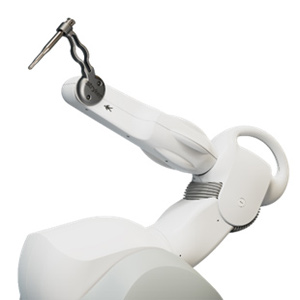
Advanced Mako Spine technology enhances precision and control in spinal surgery, allowing for personalized treatment, improved accuracy, and better outcomes through robotic-assisted, minimally invasive techniques.
Minimally Invasive Spine Surgery
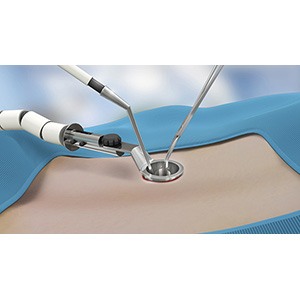
Minimally invasive spine surgery (MISS) is the latest technology available to perform spinal surgeries through small, less than one-inch-long incisions. It involves the use of special surgical instruments, devices and advanced imaging techniques to visualize and perform the surgery through such small incisions.
Augmented Reality in Spine Surgery
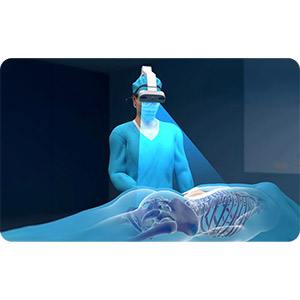
Augmented reality (AR) in spine surgery is a state-of-the-art navigation system that allows your surgeon to view your spine anatomy in 3D through the skin as if your surgeon had “X-ray vision” and assists them to precisely navigate instruments and implants during spinal implant surgery.
Spinal Navigation
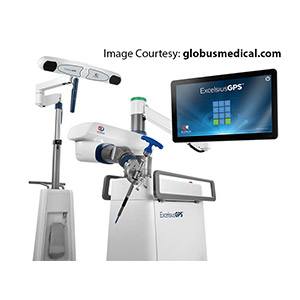
Spinal navigation is an advanced technology used in spine surgery to improve accuracy, safety, and outcomes. It works like a GPS system for the surgeon, providing real-time, three-dimensional (3D) imaging and guidance during the procedure. With spinal navigation, the patient’s anatomy is first mapped using CT scans, fluoroscopy, or 3D imaging.
Q Guidance Spine Surgery
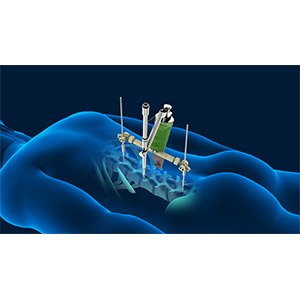
The Q Guidance System from the medical device company Stryker is an FDA-approved surgical planning and navigation platform designed for both cranial and spine procedures. The system includes Spine Guidance Software, which assists in planning, navigation, and execution in spine surgeries.
Anterior Lumbar Interbody Fusion
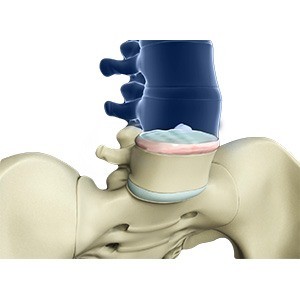
Anterior lumbar interbody fusion (ALIF) is a surgery performed to correct spinal problems in the lower back. The surgery can be implemented either as an open surgery or minimally invasive technique. The complications of the ALIF surgery include infection, nerve damage, blood clots or blood loss, bowel and bladder problems and any problem associated with anesthesia.
Anterior Cervical Discectomy with Fusion
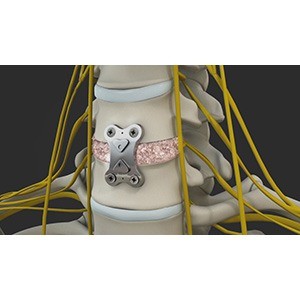
Anterior cervical discectomy with fusion is an operative procedure to relieve compression or pressure on nerve roots and/or the spinal cord due to a herniated disc or bone spur in the neck. The vertebra is approached from the front (anterior) of your neck. Anterior cervical discectomy with fusion is recommended only after non-surgical treatment approaches fail.
Spinal Decompression
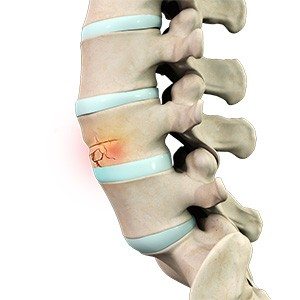
Spinal decompression is a treatment to relieve pressure on one or many “pinched nerves” in the spinal column. It can be achieved either surgically or by non-surgical methods. Spinal decompression is used to treat conditions that cause chronic backaches such as herniated disc, disc bulge, sciatica, and spinal stenosis.
Spinal Fusion
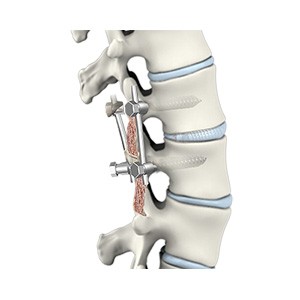
Spinal fusion is the surgical technique of combining two or more vertebrae. A fusion of the vertebrae involves the insertion of secondary bone tissue obtained either from an autograft (tissues from your own body) or allograft (tissues from another person) to enhance the bone healing process.
XLIF - Extreme Lateral Interbody Fusion
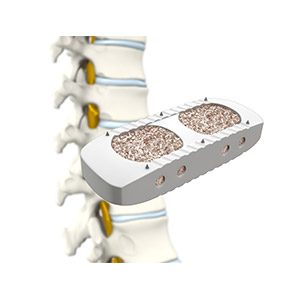
Extreme lateral interbody fusion (XLIF) is a minimally-invasive surgery that involves the fusing of two degenerative spinal vertebrae. The procedure is conducted to relieve painful motion in the back caused by spinal disorders. Spinal problems occur primarily between vertebrae, where they are packed with a cushioning material called an intervertebral disc.
Revision Spinal Surgery
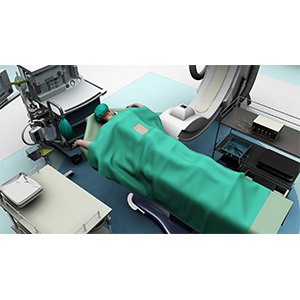
Revision spine surgery is surgery performed in certain patients to correct the problems of earlier spine surgery. Revision surgery is indicated in patients with chronic pain even after surgery. Failed back syndrome or failed back surgery is a condition used to describe persistent back pain following back surgeries.
Scoliosis Surgery
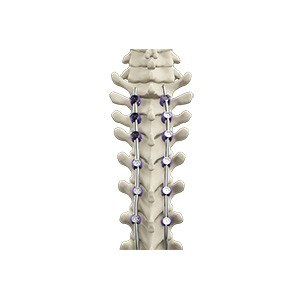
Surgery for scoliosis is recommended when the spinal curvature is severe and is either worsening or is a cause of severe pain or difficulty in breathing. The surgery is aimed at rectifying the spinal curvature, stabilizing the spine and preventing it from worsening. The rectification of the curved spine involves the removal of one or more intervertebral discs (disectomy)
Scoliosis Treatment
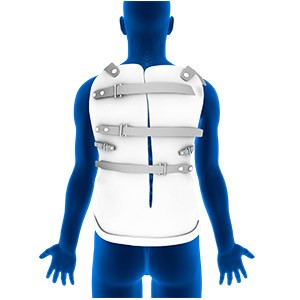
Scoliosis is the abnormal curvature of the spine giving the spine an “S” or “C” shape. Scoliosis can occur at any age and is more common in girls than boys. Larger curves cause discomfort while the smaller curves do not cause any problems. In most cases, the exact cause remains unknown. Scoliosis is categorized into four major types based on the age of onset, cause, and spinal curvature.
Complex Spinal Reconstruction
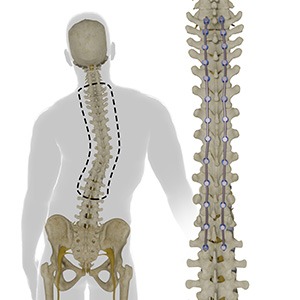
Complex spinal reconstruction is a major surgical procedure to correct spine deformities and associated symptoms such as pain, numbness, and instability in your back, shoulders, arms, or legs. It is a challenging procedure and requires the utmost care and precision to obtain satisfactory results.
Complex Spine Surgery
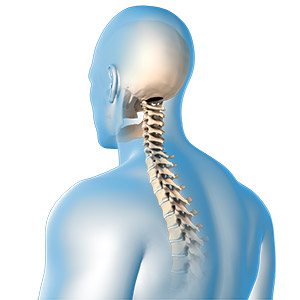
Complex spine surgery is a procedure that involves six or more vertebrae of the spinal column, requiring six or more hours of surgery to correct a spinal deformity. Complex spine surgery is very difficult to perform and demands the highest level of patient dedication to be successful.
Artificial Cervical Disc Replacement
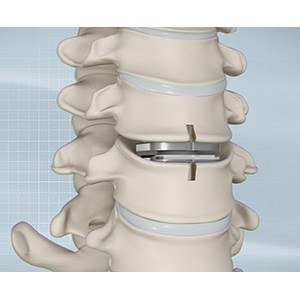
The cervical spine is located in the neck region and consists of seven bones arranged one on top of the other. Cushioning tissue called vertebral discs located between the vertebrae act as shock absorbers, allowing easy movement of the neck. Wear and tear and advancing age can damage these discs, leading to pain and disability.
Minimally Invasive Scoliosis Surgery
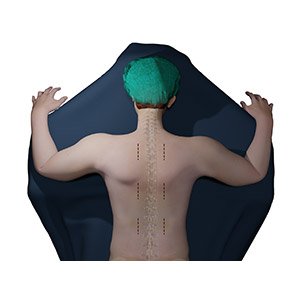
Minimally invasive scoliosis surgery is an endoscopic procedure in which surgery is performed through a few small incisions rather than one long incision. In this approach a thin telescope-like instrument with a tiny video camera called an endoscope is inserted through one of the small incisions. The inserted endoscope provides the surgeon with internal images of the patient’s body onto a television screen in the operating room.
Spinal Cord Stimulator
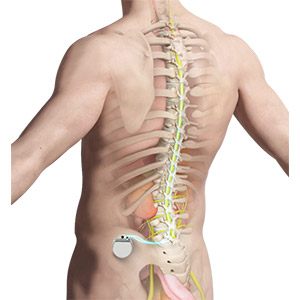
A spinal cord stimulator is a device that sends electrical impulses to the areas of the spinal cord causing pain and interferes with the transmission of pain signals to the brain. It blocks the brain's ability to sense pain in the stimulated areas, thus relieving pain without the side effects that medications can cause.
Sacroiliac Joint Arthrodesis
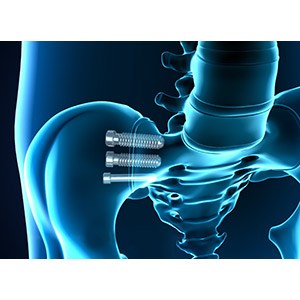
Sacroiliac (SI) joint arthrodesis is a surgical procedure employed for the treatment of sacroiliac joint dysfunction and/or inflammation/pain. The procedure involves surgical immobilization of the SI joint by fusion of the sacrum and ilium bones using instrumentation, bone graft, or both.