- Anatomy
- Conditions
- Procedures
Spine Arthritis
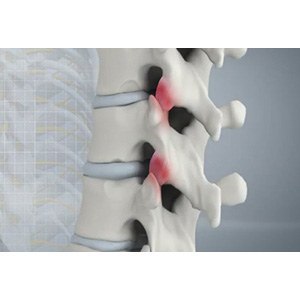
Spine arthritis is a condition characterized by the inflammation, degeneration, or wearing out of cartilage in the joints of the spine. The cartilage in the spine includes the spinal discs between the vertebrae and the cartilage lining the facet joints in the back of the spine. Spinal arthritis can cause pain and stiffness in the back and neck.
Herniated Disc
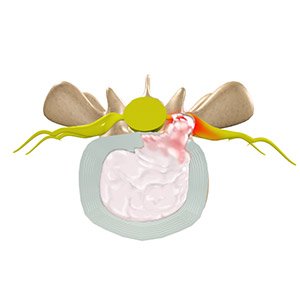
The bones in the spinal column called vertebrae surround the spinal cord and other nerves and are cushioned by soft intervertebral discs that act as shock absorbers for the spine. The intervertebral discs are composed of a jelly-like nucleus pulposus at the center, surrounded by a fibrous ring called the annulus fibrosus.
Spondylolysis
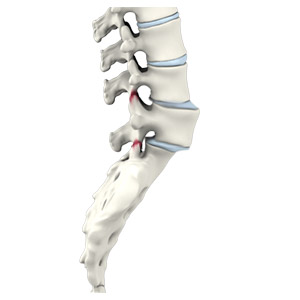
Spondylolysis is a stress fracture in the vertebra that may progress into spondylolisthesis, a condition where the vertebra gets displaced from the spinal column. Spondylolysis is the cause of frequent low back pain in children. It is more common among children and teenagers who participate actively in sports such as football, weightlifting, and gymnastics.
Back Pain
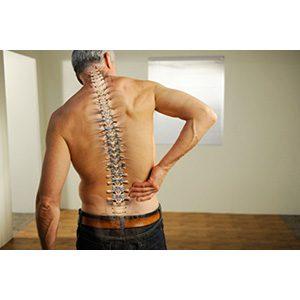
Back pain or backache is the pain felt in the back that may originate from damage to the muscles, nerves, bones, joints or other structures in the spine. Back pain is one of the most common medical problems experienced by most people at some time in their life. It can be acute, usually lasting from a few days to a few weeks, or chronic, lasting for more than three months.
Spondylolisthesis
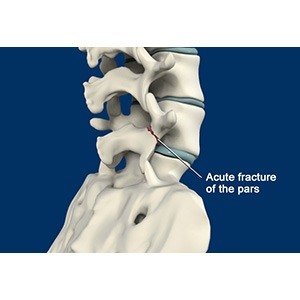
Spondylolisthesis is the displacement of the vertebral disc from the spinal column. Outward (forward) displacement is termed as anterolisthesis and inward (backward) displacement is termed as retrolisthesis. This condition is often preceded by spondylolysis, a degenerative condition of the vertebra.
Spine Deformities
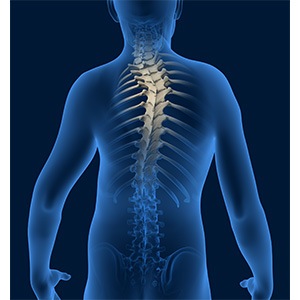
The spine or backbone provides stability to the upper part of our body. It helps to hold the body upright. It consists of a series of irregularly-shaped bones appearing in a straight line. The spine has two gentle curves, when viewed from the side and appears to be straight when viewed from the front.
Sciatica
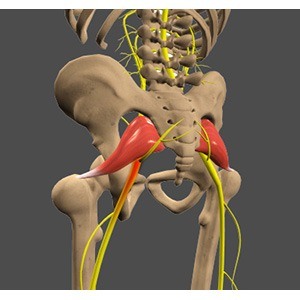
Sciatica is a painful condition caused by the irritation of the sciatic nerve. Sciatica can be acute (short term), lasting for a few weeks or chronic (long term), persisting for more than 3 months. It is important to understand that in most cases, sciatica will resolve itself within a few weeks or months and rarely causes permanent nerve damage.
Scoliosis
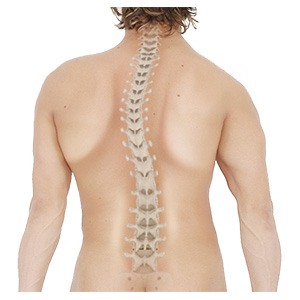
Scoliosis is a condition characterized by the abnormal curvature of the spine that causes a deviation to one side. It causes a physical deformity, making the spine look like the letter “C” or “S” instead of the letter “I”. Scoliosis can affect either the mid or lower back. Scoliosis of the mid back is more common. Scoliosis can occur at any age.
Degenerative Disc Disease
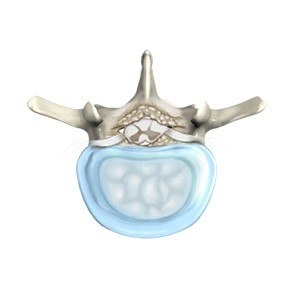
Degenerative disc disease (DDD) refers to the gradual deterioration of the intervertebral discs between the vertebrae. DDD is a misnomer as it is not actually a disease but a condition that affects the strength, resilience and structural integrity of the intervertebral discs due to advancing age, trauma, injury, repetitive movement, improper posture or poor body mechanics. DDD is commonly seen in individuals over 50 years of age.
Neck Pain
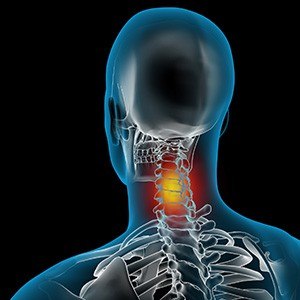
The first 7 vertebral bones of the spinal column form the cervical spine in the neck region. The neck bears the weight of the head, allows a significant amount of movement, and is less protected than other parts of the spine. All these factors make the neck more susceptible to injury or other painful disorders.
Spinal Stenosis
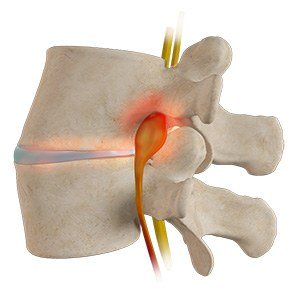
Spinal stenosis is a condition caused by the vertebral column constricting and exerting pressure on the spinal cord or neural foramen (a bony tunnel through which a nerve exits the spinal cord). Spinal stenosis usually affects the cervical and lumbar spine.
Kyphosis
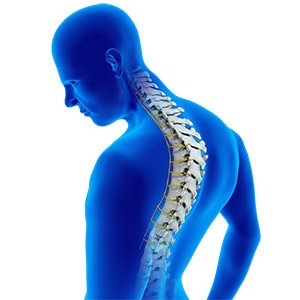
Kyphosis is a condition of abnormal curvature of the spine that causes rounding of the upper back or a hunchback. The thoracic portion of the spine normally has a C-shaped curve, but excessive forward curve in the spine leads to kyphosis. Kyphosis most commonly affects the thoracic spine, but can involve the cervical and lumbar portions too.
Sacroiliac Joint Dysfunction
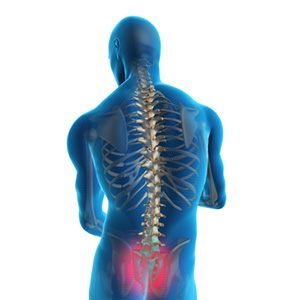
The sacrum is the triangular-shaped bone at the bottom of the spine, below the lumbar spine. The sacroiliac joint is a large joint in the body, formed by the connection of the sacrum and the right and left iliac (pelvic) bones. The sacroiliac joint acts as a shock-absorbing structure.
Failed Back Surgery Syndrome
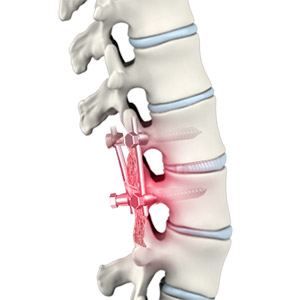
The main goals of spine surgery are to relieve pain and improve spine stability. Pain is usually relieved by taking the pressure off a compressed spinal nerve. Spine stability and pain control may be achieved by surgical fusion of the vertebrae. Success with the chosen procedure may vary depending on your condition.